
On the Fly: Life of a Freelance Drummer — Behind the Scenes of Every Gig
- Brett Roberts

- Mar 4
- 3 min read
Intro:
I sat down with a fellow musician who also blogs, and they asked me to do a little interview about what it’s like to be a freelance drummer here in the Hudson Valley area. It’s a fast-paced, always-changing life — jumping between bands, styles, and gigs keeps things exciting. I figured I’d share how I approach it, some surprises I’ve run into, and a few tips for anyone looking to do the same.
Q1: You play with several different bands. How do you mentally and musically prepare to shift from one style to another?
For me, the key is not getting labeled as a certain style player. I approach each situation for what it is. Play for the style, but be yourself and add your signature to the sound.

Q2: When you get called for a gig on short notice, what’s your process for learning the material quickly?
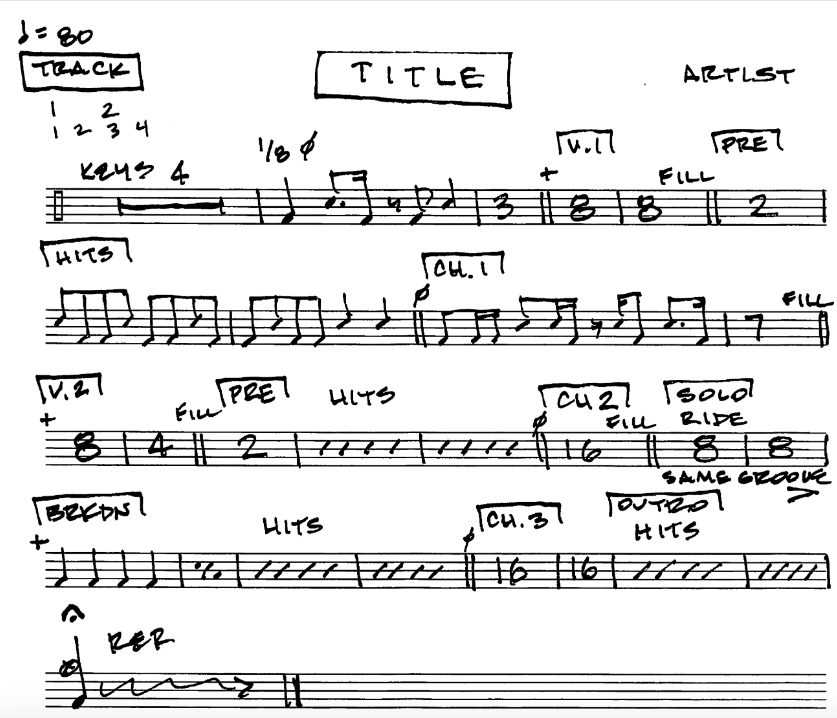
It depends on how many songs and the style. Bottom line: I listen, create drum charts if I need them, and pay attention. I also find out who’s the main point of contact for any music direction during the live or studio session.
Q3: How are most of your gigs booked, and how far in advance do you usually get notice?
Gigs come either through direct inquiries or via a booking agent for some of the bands I work with. Notifications are usually by email or text. Referrals play a role too, but a lot of my contacts are built from years of performing.
Q4: What’s the biggest surprise that can happen when you show up to a gig?
Equipment sometimes isn’t what was promised in the contract or email. You expect one thing and find another — you have to adapt in real time.
Q5: Can you share a memorable ‘on the fly’ moment?
During a live job, the bass drum pedal broke apart — even though it was supposed to be in working order. I swapped it out with the floor tom on my right side and kept the show going.

Q6: How do you keep your feel consistent while adjusting to different singers, bandleaders, or musical directions?
It’s about using your technique while paying attention to the point of contact on the job. Be yourself, but focus on enhancing the sound without taking away from it.

Q7: In your opinion, what separates a good freelance drummer from a great one?
It starts with the person — be respectful, professional, and communicate like a pro. Playing matters, but being a good person creates strong relationships. People want to work with drummers like that.

Q8: For younger drummers who want to freelance, what skill should they focus on beyond chops?
Develop your ears and ability to listen and learn. Don’t get labeled — be a drummer, not a rock drummer or a jazz drummer. Just be a drummer.
Conclusion:
Being a freelance drummer isn’t just about chops — it’s about flexibility, listening, professionalism, and adding your own voice to every gig. This is my life in the Hudson Valley area, and while it’s not always predictable, it’s definitely exciting and never boring.
Until next time! Let's roll, Brett

Comments